
Forcepoint Web Security
웹에서 데이터 유출을 차단하세요
사용자가 기대하는 고속 성능을 유지하면서 웹 어디에서나 데이터와 트래픽에 대한 가시성과 제어 권한을 확보하세요.
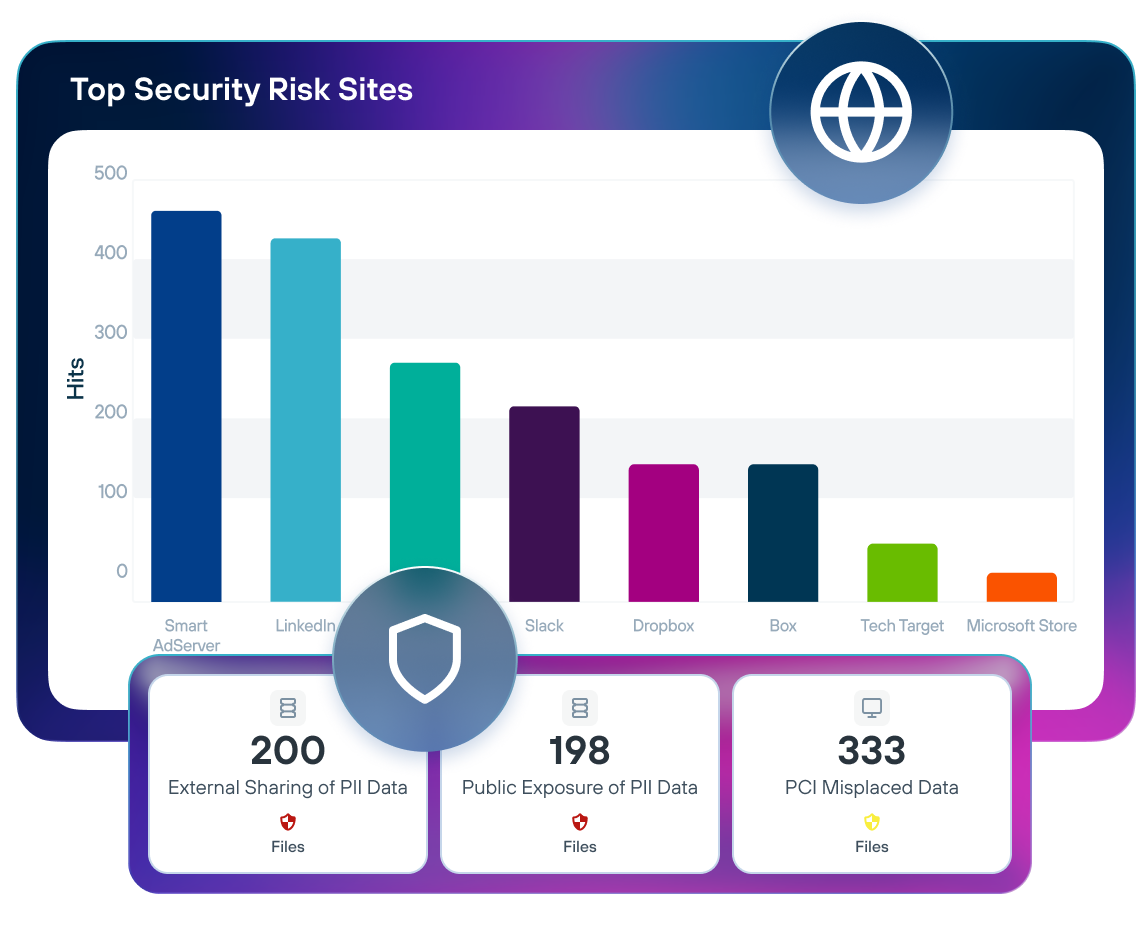












Forcepoint Web Security: 한눈에 보기
Forcepoint Web Security는 보안팀에 웹 트래픽에 대한 완전한 가시성과 제어 권한을 제공하여, 모든 디바이스와 모든 위치에서 랜섬웨어, 제로데이 위협 및 데이터 유출로부터 사용자를 보호합니다.
웹 브라우징을 보호하고 데이터 유출을 방지하세요
직원이 클릭하는 모든 링크는 침입하려는 위협과 빠져나가려는 데이터 모두에게 잠재적인 통로가 될 수 있습니다. Forcepoint Web Security는 보안팀에 가시성, 제어 기능 및 실시간 적용 기능을 제공하여, 민감한 데이터를 있어야 할 위치에 정확히 유지하면서 업무가 자유롭게 진행되도록 합니다.

민감한 데이터가 개방된 웹으로 유출되지 않도록 하세요
Forcepoint Web Security는 통합 없이도 인라인 DLP를 적용하여 업로드, 양식 또는 클라우드 스토리지를 통한 민감한 데이터 유출을 차단합니다.

웹 기반 위협을 실시간으로 차단하세요
Advanced Classification Engine(ACE)은 행동 분석, 휴리스틱, Collective Threat Intelligence를 통해 랜섬웨어와 제로데이 악성코드를 차단합니다.

그림자 IT 및 AI 앱에 대한 가시성을 되찾으세요
조직 전체에서 승인되지 않은 모든 SaaS 도구와 GenAI 앱을 탐지하고, 합법적인 AI 사용을 허용할 수 있을 만큼 정밀한 정책을 적용합니다.
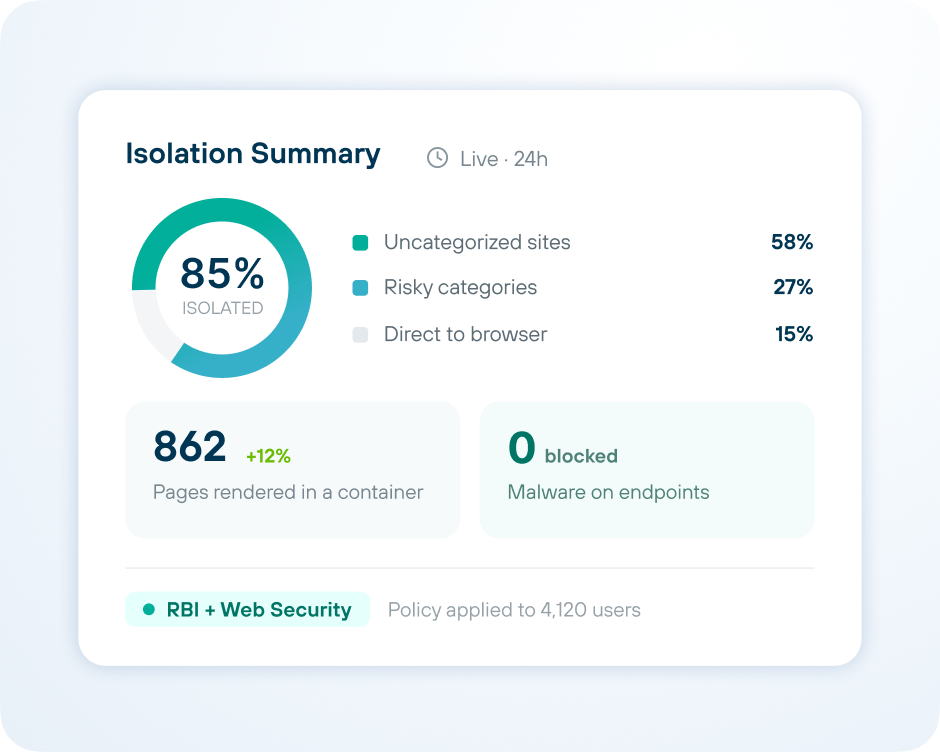
위험한 웹사이트에 안전하게 접속하세요
Forcepoint Remote Browser Isolation(RBI)과 Forcepoint Web Security의 통합을 통해 추가적인 위협 방어를 제공합니다. RBI는 잠재적으로 위험한 웹사이트를 컨테이너 내에서 렌더링하여 악성코드 공격이 실행되지 않도록 방지합니다.
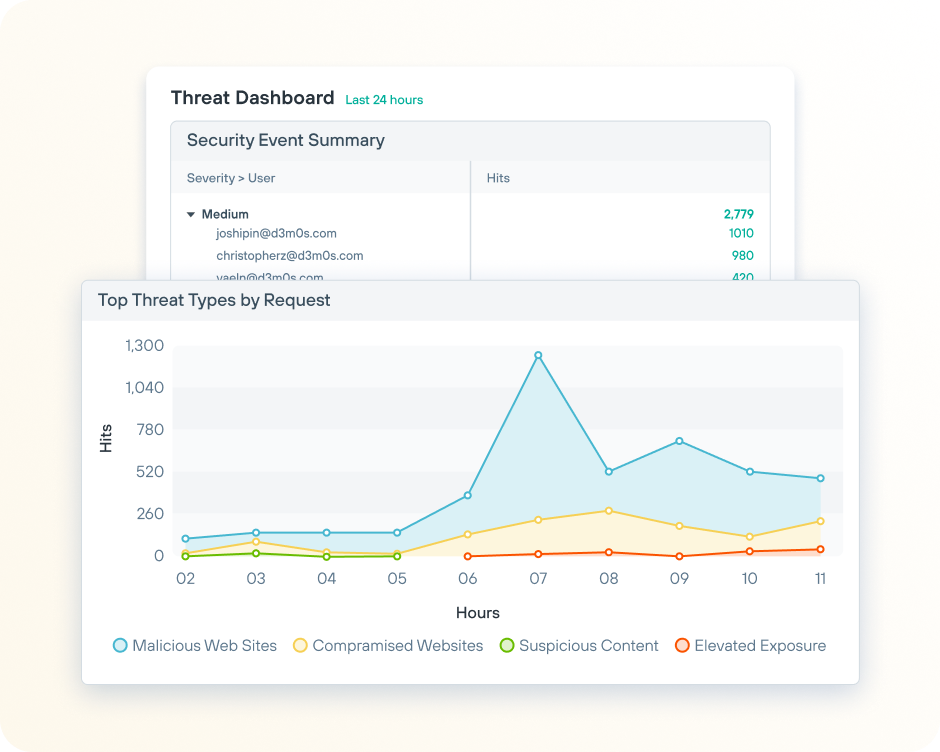
고급 위협으로부터 방어하세요
Forcepoint Advanced Malware Detection and Protection(AMDP)과 Forcepoint Web Security의 통합을 통해 위협 탐지 기능을 확장합니다. AMDP는 알려진 및 알려지지 않은 악성코드 위협과 제로데이 익스플로잇을 빠르게 탐지하여 데이터를 안전하게 보호합니다.
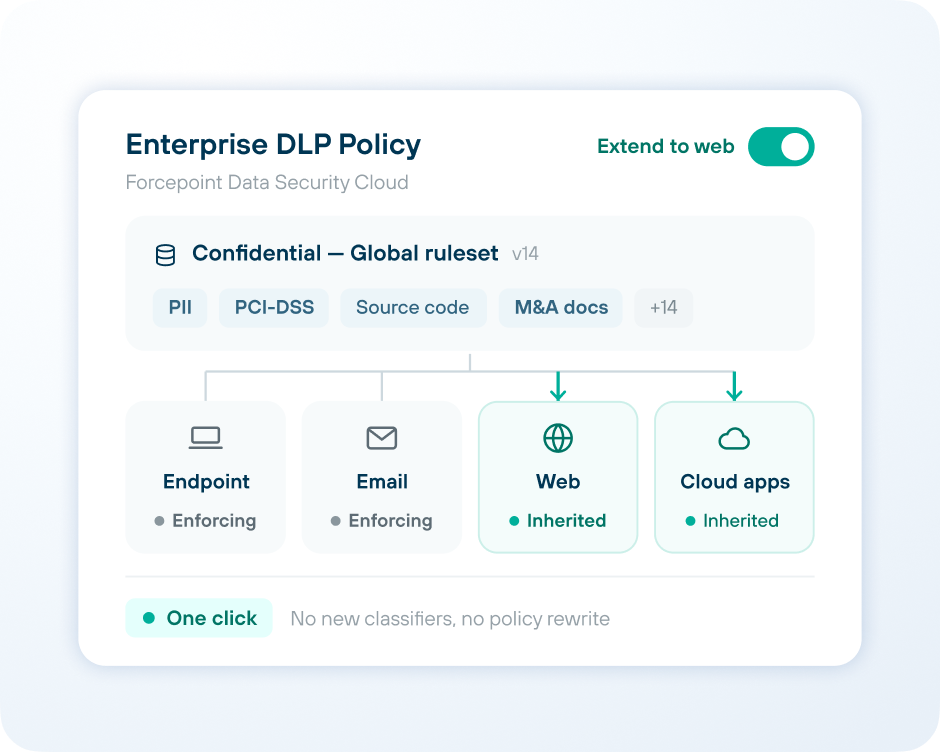
엔터프라이즈 DLP를 모든 웹 세션으로 확장하세요
클릭 한 번으로 Forcepoint DLP 정책의 강력한 기능을 모든 웹 및 클라우드 앱 트래픽에 적용하세요. Forcepoint Web Security는 Forcepoint Data Security Cloud와 네이티브로 통합되어, 엔드포인트와 이메일에서 데이터 정책을 적용하는 동일한 분류기를 사용자가 여는 모든 웹 세션에도 적용합니다.
Forcepoint Web Security를 선택해야 하는 이유
생성형 AI 및 클라우드 앱을 위한 정밀한 제어
URL 디렉터리 수준까지 정책을 적용하세요. 파일 업로드 기능을 차단하면서 코드 생성 도구는 허용하거나, AI 플랫폼을 완전히 제한하는 등 모든 정책 요구 사항에 맞는 정밀도를 제공합니다.
실시간 콘텐츠 검사
여러 콘텐츠 분석 엔진이 웹페이지 콘텐츠 전체, 활성 스크립트, 웹 링크, 파일 및 실행 파일을 동시에 스캔하여, 성능을 저해하지 않으면서 단 한 번의 처리로 위협을 탐지하고 데이터 정책을 적용합니다.
ACE를 통한 제로데이 위협 탐지
Forcepoint의 Advanced Classification Engine은 휴리스틱 분석, 행동 기반 샌드박싱, URL 분류 및 신뢰도 분석을 사용하여 알려진 위협과 동일한 정확도로 신종 악성코드를 탐지합니다.
사용자가 가는 곳마다 함께하는 스마트 아키텍처
Forcepoint의 분산형 적용 아키텍처는 사용자와 신뢰할 수 있는 사이트 간에 트래픽을 직접 라우팅하여 지연 시간을 최소화합니다. 디바이스 단위의 적용을 통해 보호 기능이 사용자와 함께 이동합니다.
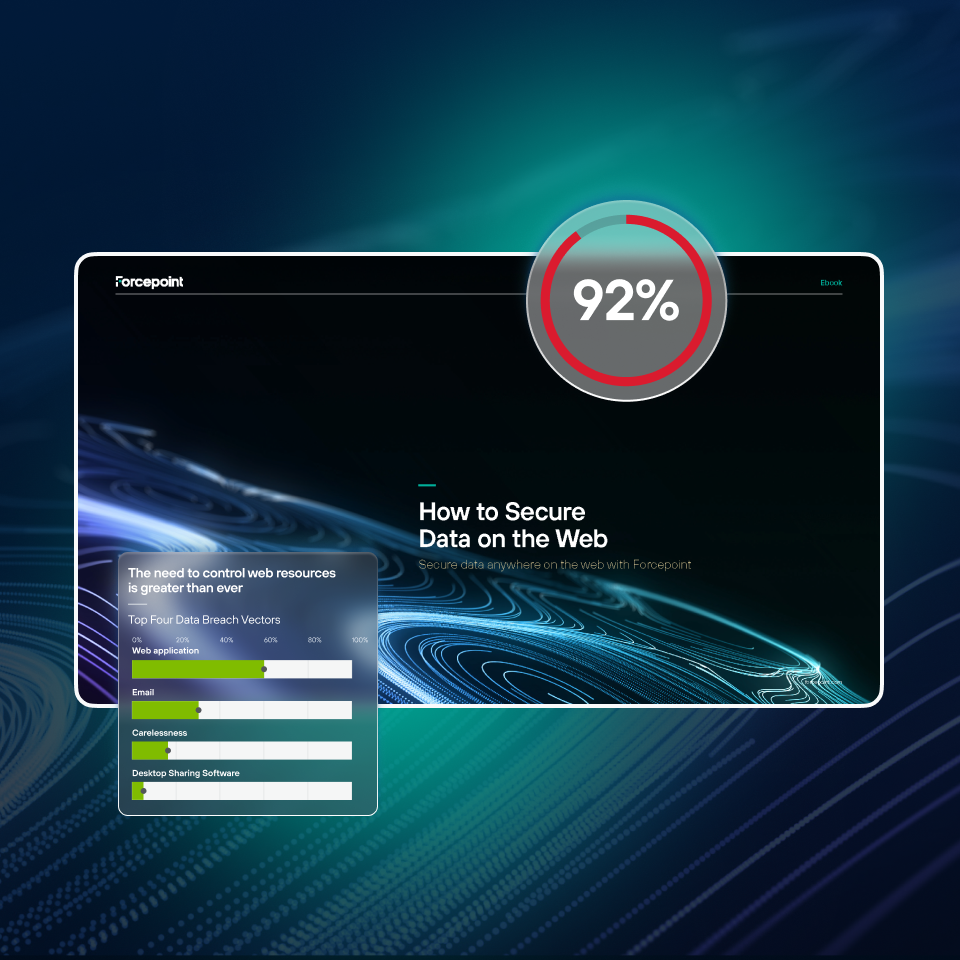
웹에서 데이터를 보호하세요
보안 웹 게이트웨이 솔루션으로 데이터 보안을 웹까지 확장하는 방법을 알아보세요. Forcepoint Web Security가 어떤 웹 애플리케이션 내에서도 조직이 데이터를 보호할 수 있도록 지원하는 방법을 확인하세요.
웹 환경을 보호하세요
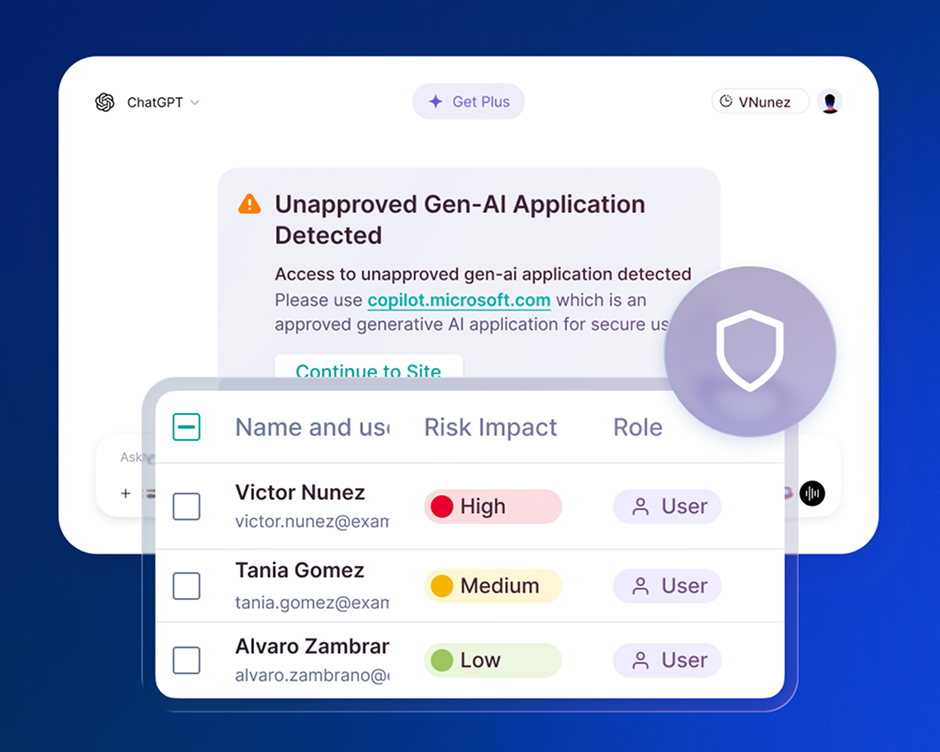
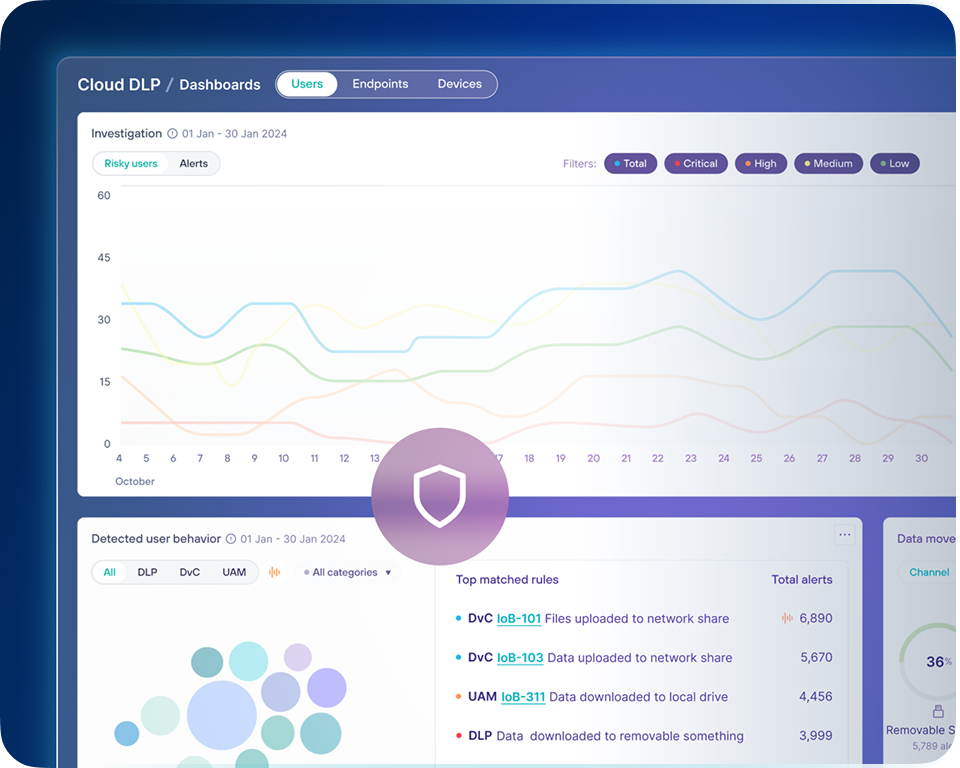
조직 전체에서 사용 중인 승인되지 않은 모든 SaaS 애플리케이션과 생성형 AI 도구에 대한 가시성을 확보하세요. AI 사이트에 대한 하위 카테고리 수준의 제어를 포함한 세분화된 정책을 적용하여 접근을 모니터링, 제한 또는 차단하고, 승인되지 않은 플랫폼으로 민감한 데이터가 유출되지 않도록 방지합니다.
업로드, 웹 양식 또는 클라우드 스토리지 앱을 통해 민감한 정보가 조직 외부로 유출되지 않도록 모든 웹 트래픽에 데이터 유출 방지 정책을 적용하세요. Forcepoint Web Security는 이메일과 엔드포인트를 보호하는 동일한 정책을 인라인 DLP 검사를 통해 모든 웹 세션으로 확장합니다.


Eczacibasi Holding, 원격 직원 보호를 위해 보안을 클라우드로 확장
"We expect people to click malicious links while they're working at home or on the road and so ensuring they receive the same level of protection as if they were on the enterprise network is very valuable to us."


Forcepoint DLP와 잘 연동되는 제품
보안 웹 게이트웨이(SWG)란 무엇입니까?
SWG는 조직, 네트워크, 사용자 및 디바이스를 인터넷 관련 위협으로부터 보호하기 위해 설계된 보안 기술입니다. SWG는 두 가지 주요 기능을 수행합니다. 웹 트래픽에서 안전하지 않은 콘텐츠를 필터링하고, 위험하거나 승인되지 않은 사용자 행동을 차단합니다.
SWG는 어떻게 작동합니까?
SWG는 소프트웨어 솔루션, 클라우드 기반 서비스 또는 물리적 어플라이언스일 수 있습니다. 네트워크 경계에 배치된 SWG는 수신 및 송신 트래픽을 검사하고, 회사 정책을 사용하여 웹 트래픽을 허용, 차단 또는 격리할지 결정합니다. SWG의 기능에는 다음이 포함될 수 있습니다:
- URL 필터링
- 애플리케이션 제어
- 안티바이러스 소프트웨어
- HTTPS 검사
- 악성코드 탐지 및 차단
- 접근 제어
보안 웹 게이트웨이 제품의 이점은 무엇입니까?
SWG 기술을 통해 조직은 다음을 수행할 수 있습니다:
- 웹상의 민감한 데이터 제어
- 웹 기반 위협 차단
- 그림자 IT 발견 및 모니터링
- 일관된 성능 제공
웹 보안 솔루션이란 무엇입니까?
웹 보안 솔루션은 웹사이트, 웹 애플리케이션 및 기타 웹 리소스를 다양한 사이버 위협으로부터 보호하기 위해 설계되었습니다. 웹 보안을 개선하기 위해 다양한 솔루션이 개발되었지만, 이러한 기술은 대부분 SWG로 통합됩니다.
웹 보안 솔루션이 중요한 이유는 무엇입니까?
SWG와 같은 웹 보안 솔루션은 위협이 더욱 정교해지고 IT 환경이 더욱 복잡해짐에 따라 보안 스택의 필수적인 부분이 되었습니다. 클라우드 컴퓨팅, BYOD, 하이브리드 근무 형태 및 SaaS 애플리케이션에 대한 의존과 같은 주요 IT 혁신으로 인해 전통적인 네트워크 경계는 사실상 사라졌습니다. 모든 트래픽을 보안 검사를 위해 중앙 허브를 거치도록 요구하는 기존 웹 보안 솔루션은 네트워크 연결에 심각한 지연을 초래하여 생산성을 저해하고 경쟁력을 제한할 수 있습니다.
웹 보안 게이트웨이란 무엇입니까?
웹 보안 게이트웨이는 웹 기반 위협이 조직의 네트워크에 침입하는 것을 방지하고, 악성코드, 바이러스 또는 기타 위협을 포함할 수 있는 웹 리소스에 사용자가 접근하지 못하도록 차단합니다. 웹 보안 게이트웨이는 조직의 내부 네트워크와 인터넷 사이에 위치한 검문소 역할을 하며, 웹으로 들어오고 나가는 트래픽을 검사합니다. 웹 보안 게이트웨이 솔루션은 URL 필터링, 악성코드 탐지, 애플리케이션 제어 및 암호화된 트래픽 검사와 같은 다양한 기술을 사용하는 동시에 웹 트래픽 및 사용 현황에 대한 더 높은 가시성을 제공합니다.
웹 보안 어플라이언스란 무엇입니까?
웹 보안 어플라이언스는 악성코드, 바이러스, 위조된 웹사이트, 피싱 공격 등 인터넷 관련 위협으로부터 조직과 사용자를 보호하는 데 도움을 줍니다. 웹 보안 어플라이언스는 데이터 유출 방지, 애플리케이션 사용 제어, 웹 활동 가시성 개선 및 조직 전체의 보안 정책 적용에도 도움을 줄 수 있습니다.
웹 시큐어 게이트웨이란 무엇입니까?
웹 시큐어 게이트웨이는 수신 및 송신 웹 트래픽에 보안 정책을 적용하여 웹 관련 위협으로부터 조직을 보호하는 데 도움을 주는 사이버 보안 제품입니다.
SWG 서비스란 무엇입니까?
SWG 서비스는 웹에서 IT 환경으로 들어오는 모든 트래픽과 조직의 사용자가 보내는 모든 아웃바운드 웹 요청을 모니터링하는 클라우드 기반 솔루션입니다.
Forcepoint Web Security는 생성형 AI 도구에 대한 접근을 제어할 수 있습니까?
예. Forcepoint Web Security는 생성형 AI 사이트에 대해 다양한 유형의 AI 사용을 구분할 수 있는 여러 하위 카테고리를 포함한 세분화된 제어를 제공합니다. 예를 들어, 민감한 코드, 지적 재산 또는 규제 대상 데이터를 받을 수 있는 플랫폼을 제한하면서 AI 작성 도구에 대한 접근은 허용할 수 있습니다. 이러한 정밀도를 통해 조직은 민감한 정보를 승인되지 않은 플랫폼에 노출하지 않고도 AI 생산성을 활용할 수 있습니다.
Forcepoint Web Security는 Forcepoint DLP와 어떻게 통합됩니까?
Forcepoint Web Security는 Forcepoint DLP와 네이티브로 통합되어, 조직이 엔드포인트와 이메일에서 사용하는 동일한 데이터 분류기와 정책을 모든 웹 및 클라우드 앱 트래픽에 적용할 수 있도록 합니다. 이는 웹 채널을 위한 별도의 데이터 보안 정책을 유지할 필요가 없다는 것을 의미합니다. 동일한 인시던트 보고 및 관리 콘솔이 웹 채널을 포괄하여, 보안팀에 모든 유출 지점에 걸친 데이터 위험에 대한 통합된 시각을 제공합니다.